
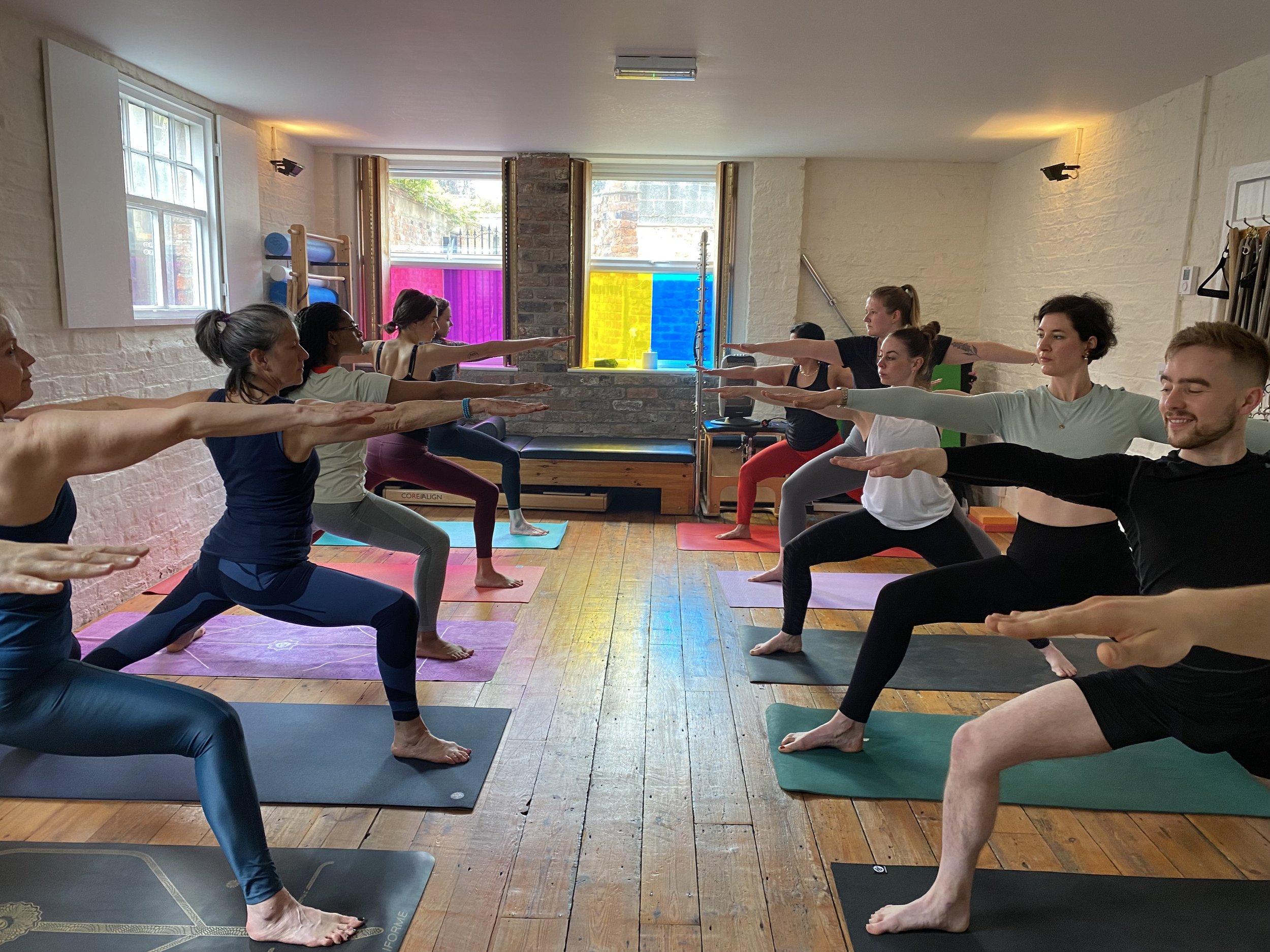
The Journey of Haṭha Yoga & Vinyāsa Krama
Why Practice Haṭha Yoga & Vinyāsa Krama
-
Structure
Disciplined practices built around intelligent sequencing, breath awareness, and precise alignment. Drawing inspiration from traditions such as Ashtanga Yoga and Iyengar Yoga, the practice combines structure with adaptability, allowing students to refine technique, build strength, and develop greater mobility and stability over time. As postures and transitions become familiar, the practice evolves into a moving meditation, encouraging concentration, self-awareness, and mindfulness. The progressive syllabus supports steady growth while creating space for exploration, inquiry, and a deeper connection between breath, body, and mind.
-
Rooting
Rooting comes from establishing a steady foundation through intelligent sequencing, clear alignment principles, and consistent return to key postures. Rather than relying solely on fixed series, grounding is developed through attentive repetition, breath-led movement, and progressive exploration of the syllabus. This creates stability in both body and mind, allowing practitioners to feel anchored in their practice while building strength, control, and ease. With sustained rooting, development becomes balanced and sustainable, staying connected to tradition while remaining adaptable to the needs of the individual.
-
Growth
Growth emerges through personalised guidance, careful observation, and intelligent progression through a structured yet adaptable syllabus. With attention to alignment, breath, and individual capacity, students are supported to move safely and consistently at their own pace. This responsive approach allows technique to be refined over time, meeting each practitioner’s unique strengths and challenges. Through this process, steady development unfolds, deepening the teacher–student relationship and making the practice both sustainable and transformative.
-
Journey
Our community is a shared space of practitioners connected through discipline, exploration, and mutual support. In the practice room or online, students engage in individual yet parallel journeys, shaped by attentive guidance and a structured syllabus that honours both tradition and adaptability. This shared path fosters a sense of collective energy while respecting personal rhythm and development. It reminds us that yoga is not only about attainment, but about the unfolding process itself, where the journey is as meaningful as any destination.
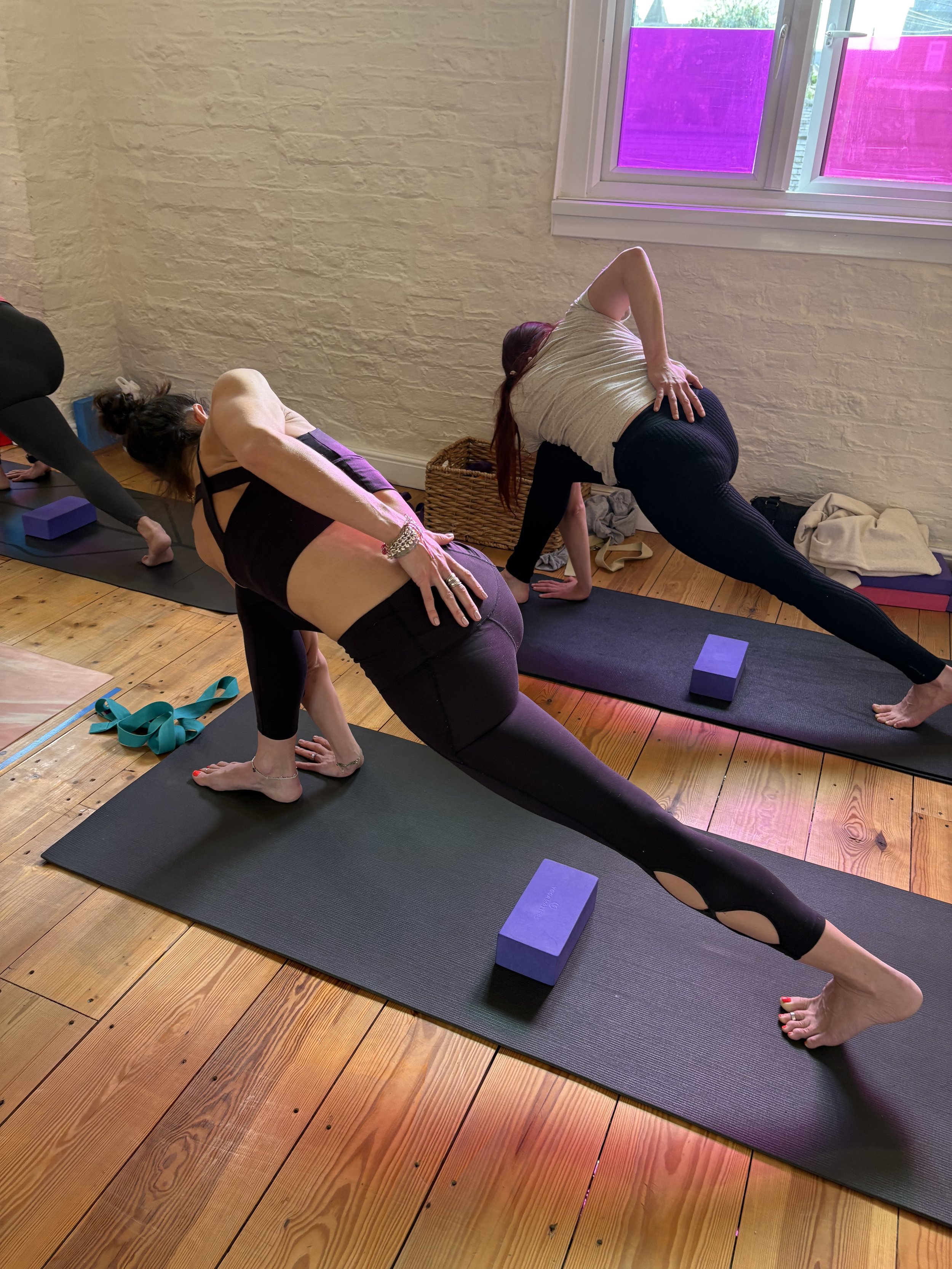
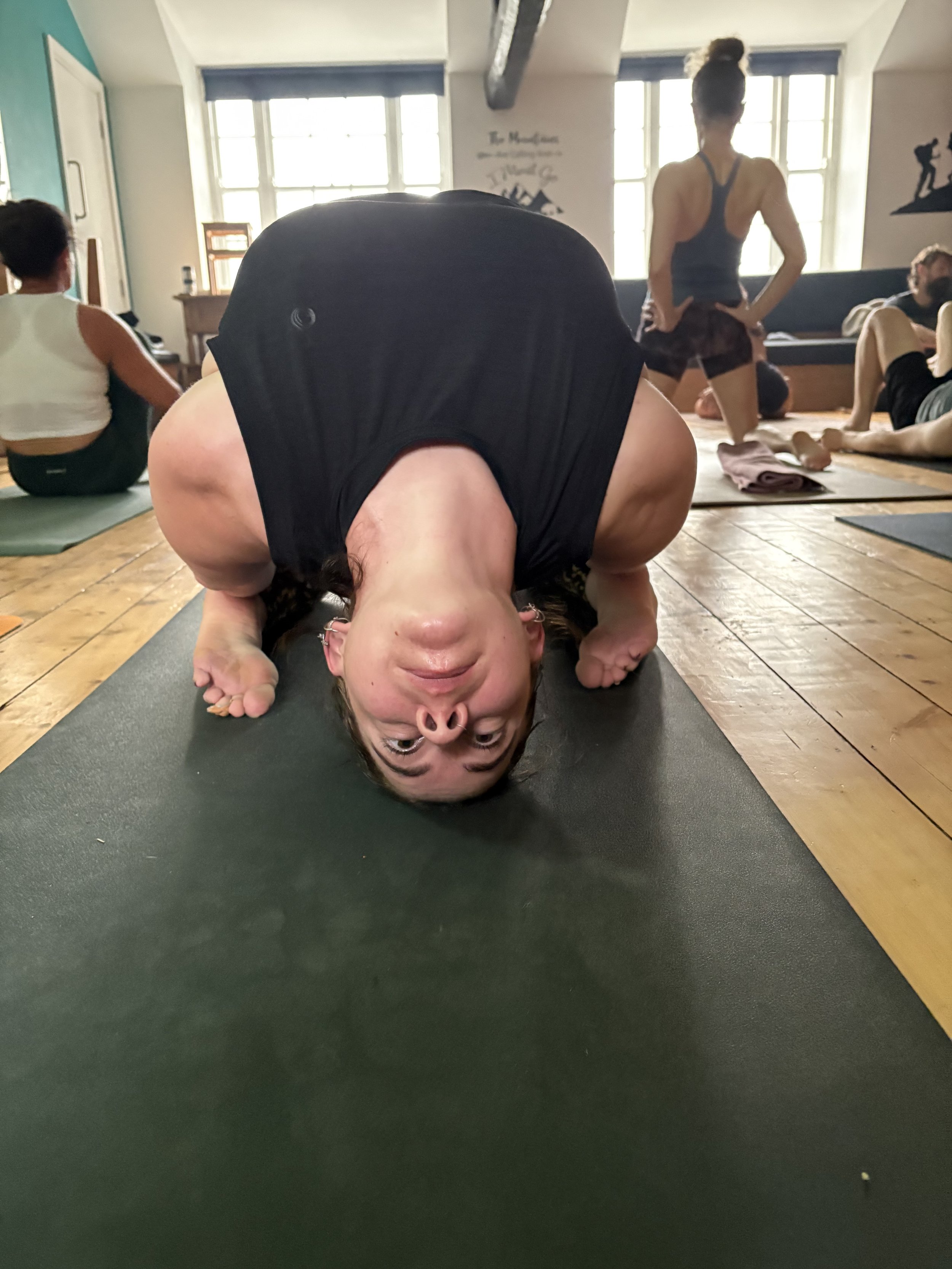
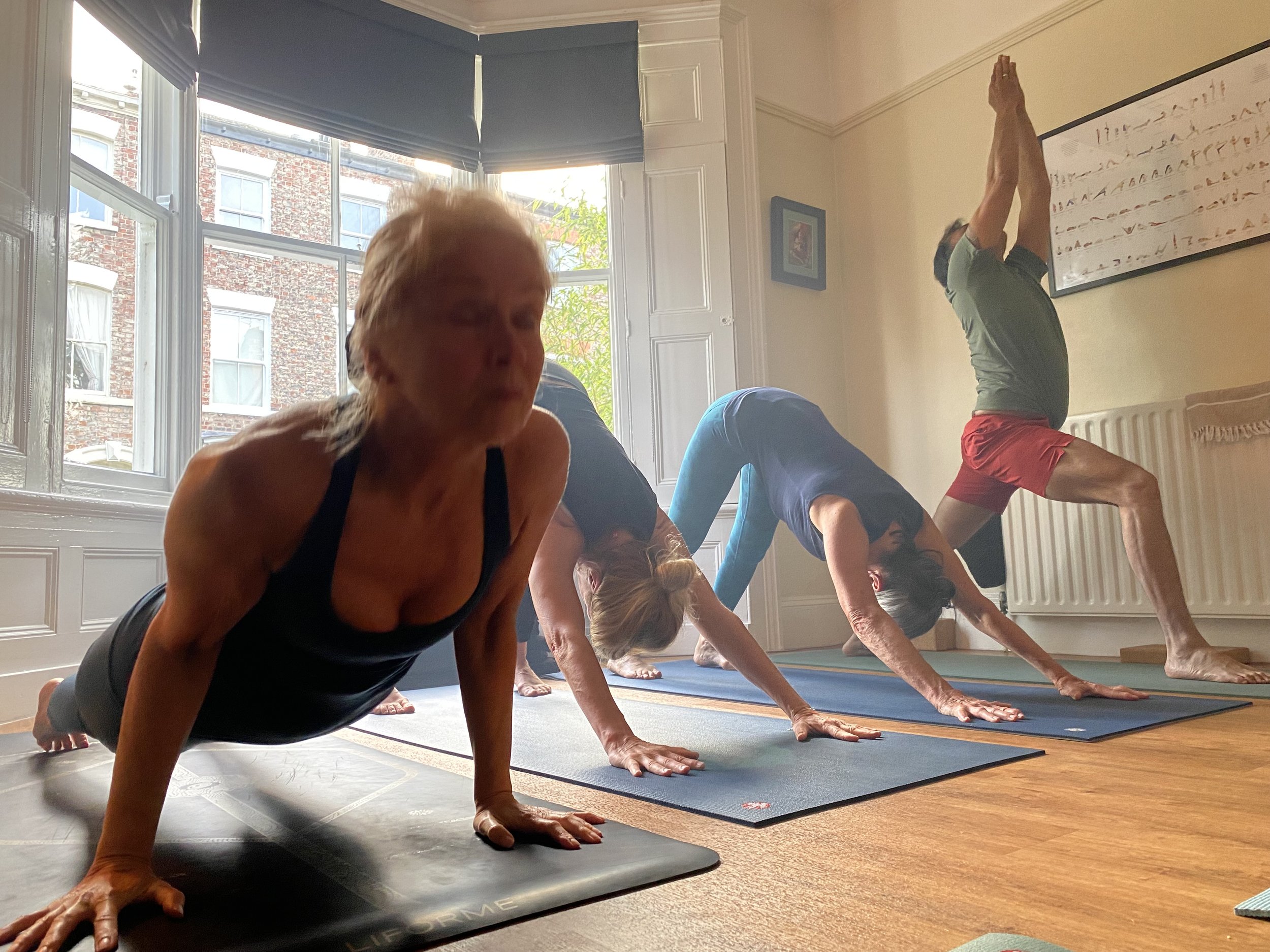
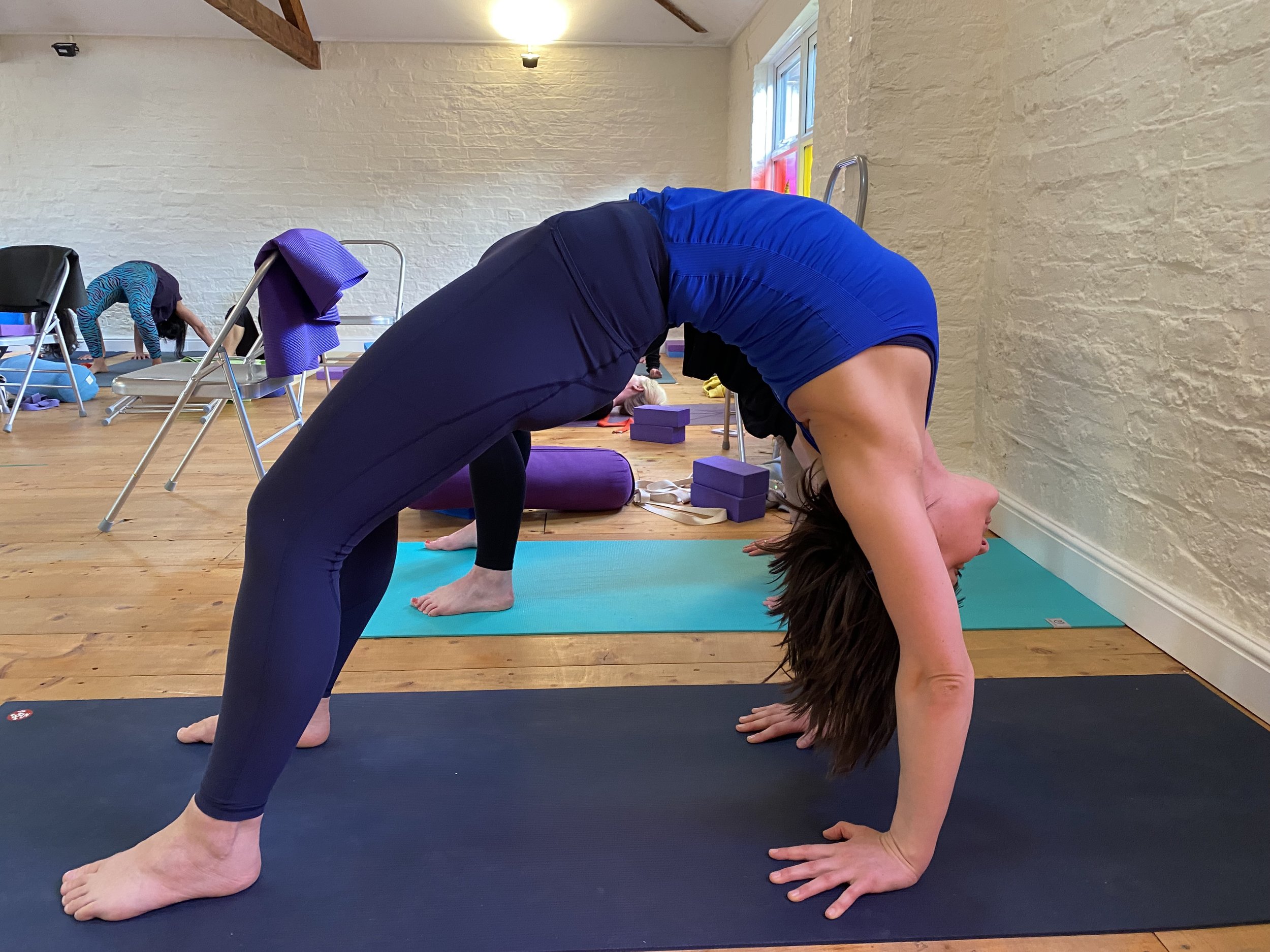
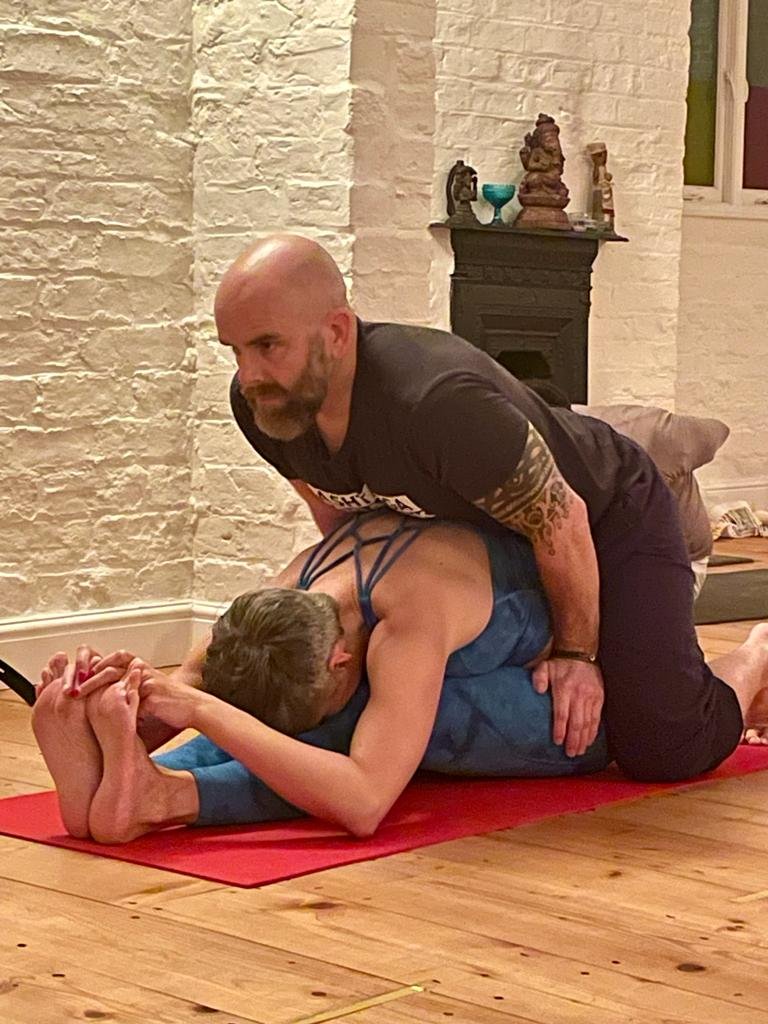
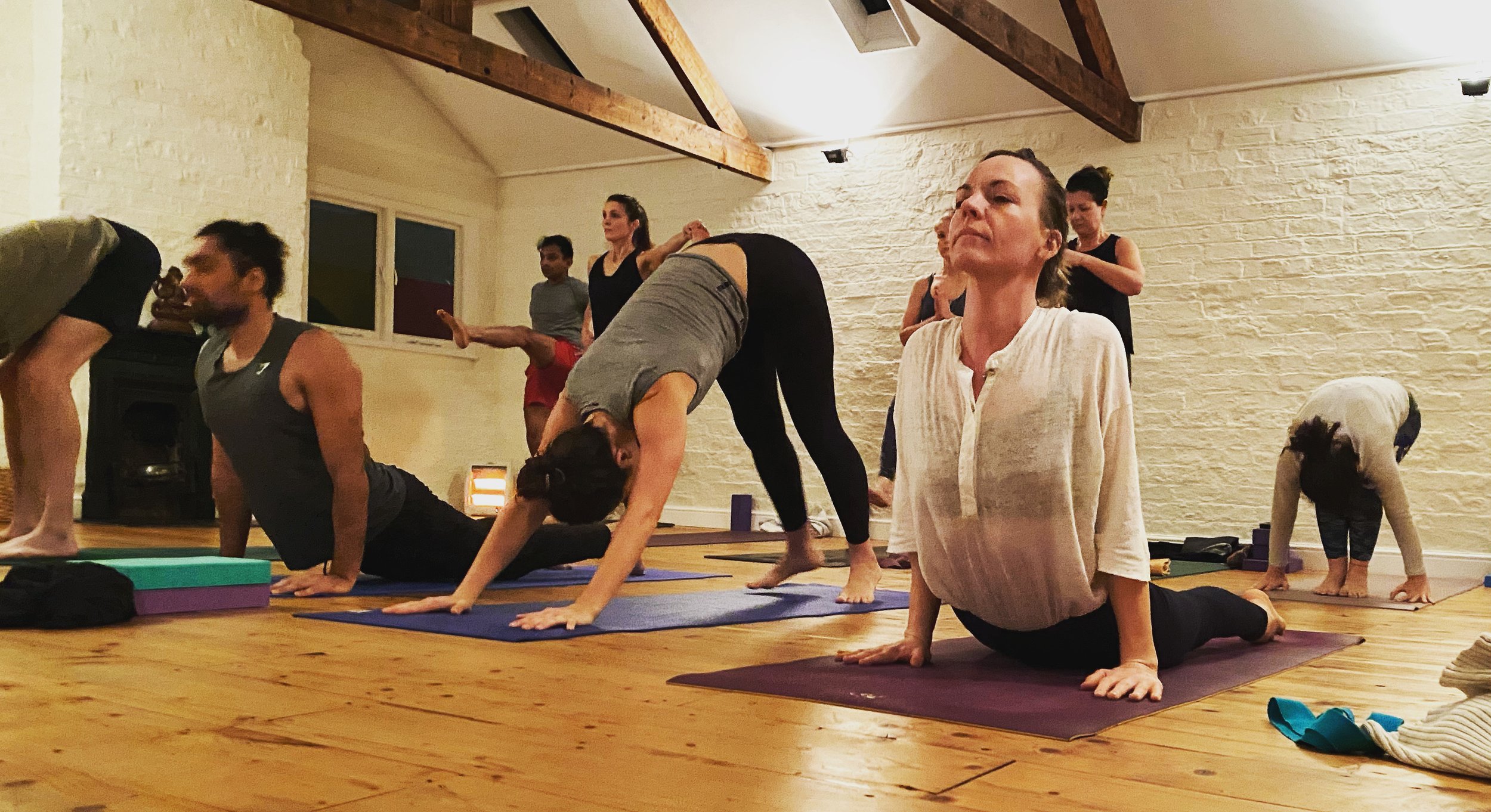
A unique approach to a dedicated Yoga practice.
The progression of students through Ashtanga structure & Iyengar inspired methodology, as taught by Christian Pisano, emphasises a deeply refined approach through three pillars of asana practice, blending precision, dynamism, and individual adaptation.
1. Vinyasa: A new student begins learning vinyasa by focusing on the harmonious connection between breath and movement, creating a flowing rhythm that links postures together. Each movement is paired with either an inhale or an exhale, establishing a meditative flow while fostering physical engagement. Within this dynamic sequence, moments of stillness in each posture are introduced, allowing the student to pause, refine alignment, and observe the breath while holding the pose. These still moments offer an opportunity to balance effort and ease, cultivating stability, awareness, and presence. This integration of movement and stillness builds the foundation for a mindful and embodied practice.
2. Vinyasa Krama: As students develop stability in the practice, the next step is to mindfully transition from one asana to the next. Vinyasa Krama is the deliberate and systematic progression of postures, where each movement is thoughtfully linked to the breath and sequenced to prepare the body and mind for the next stage of practice. This method emphasises precision, alignment, and a gradual buildup of strength, stability, and awareness, ensuring that students move through their practice with purpose and ease. By breaking down complex movements into manageable steps, Vinyasa Krama allows practitioners to deepen their understanding of postures while respecting their individual capabilities, fostering a sense of balance and mindfulness throughout the journey.
3. Viniyoga: The final stage adapts the practice to the individual’s unique needs, integrating Christian Pisano’s profound teachings on embodiment and mindfulness. This phase encourages a more introspective and therapeutic approach, where the practice becomes a means of self-inquiry and union with the deeper aspects of yoga.
This methodology combines the flowing nature of Ashtanga with Iyengar’s precision and personalisation, offering a transformative path for physical, mental, and spiritual growth.
“The practice mat should be laid out as though it is our funeral pyre. The fire of asana is used to burn the residue of muscular and organic tensions, as well as mental conceptualisation and bodily identification. The differentiations projected by the inner organ (antahkarana): intellect (buddhi), mind (manas), ego (ahamkara), are reduced to ashes”