Questions without answers..
-
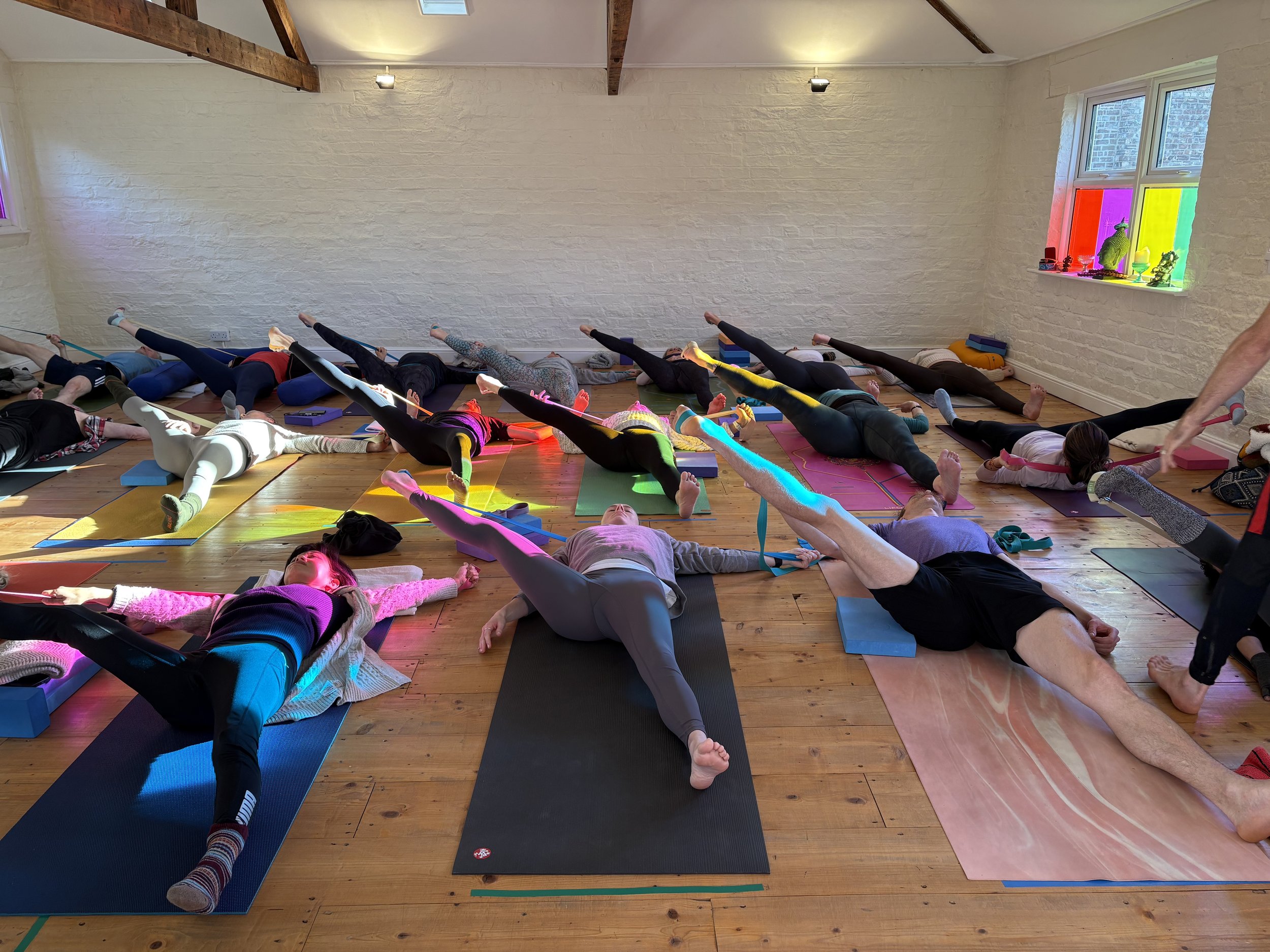
Guided Self-Practice is an individual approach to learning and practising yoga within a shared environment. Rooted in the traditional Mysore-style method of Ashtanga Yoga, students work progressively through a structured sequence at their own pace, with individual guidance and support from the teacher.
Our approach takes Ashtanga as its foundation while incorporating principles from Iyengar Yoga, functional movement and strength training to encourage intelligent movement, good alignment and sustainable progression.
Suitable for beginners and experienced practitioners alike, the aim is to develop a confident, independent and adaptable practice.
-
You can arrive any time between 6:00am and 8:00am and work through your own practice at a pace that suits you.
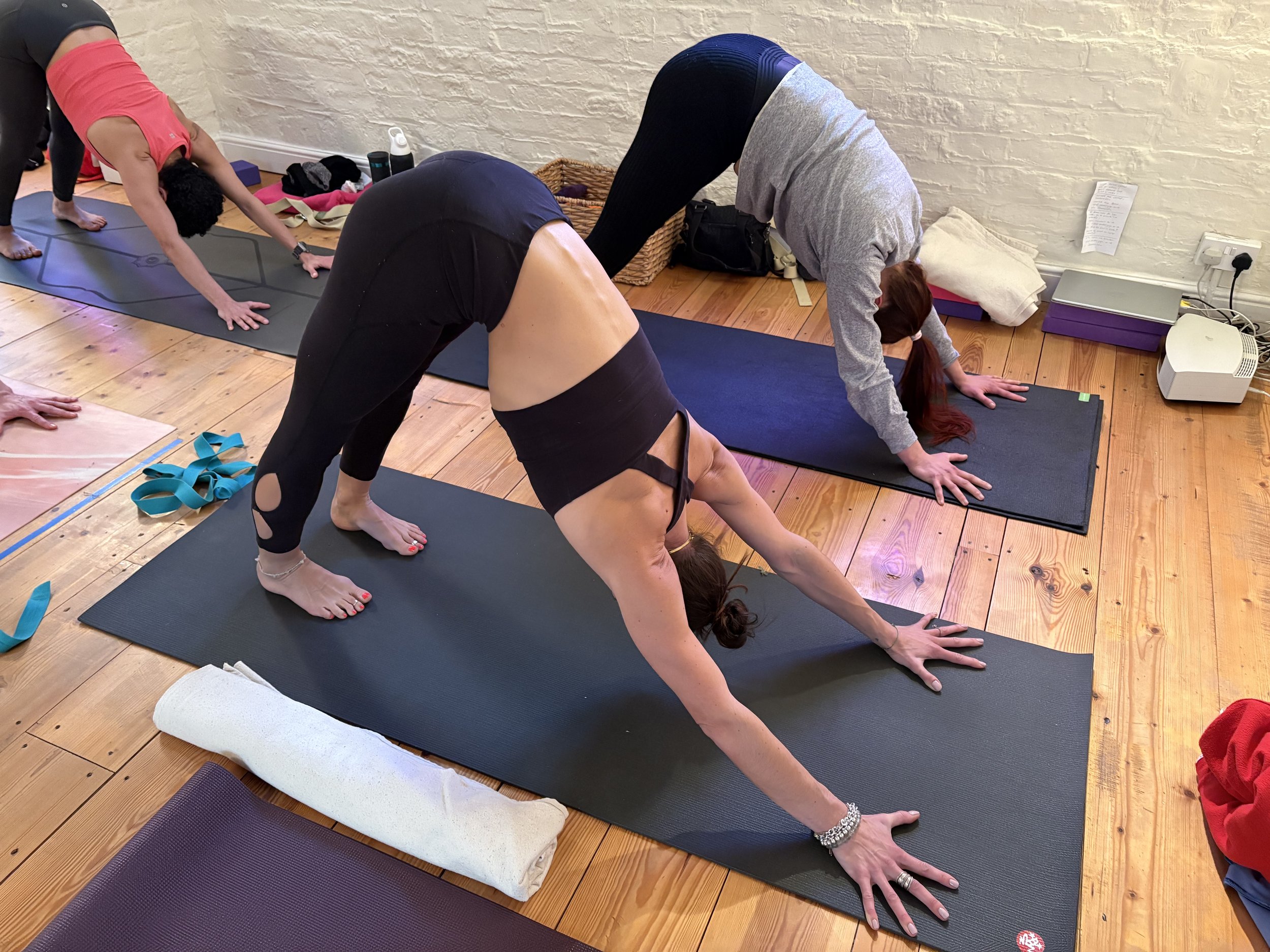
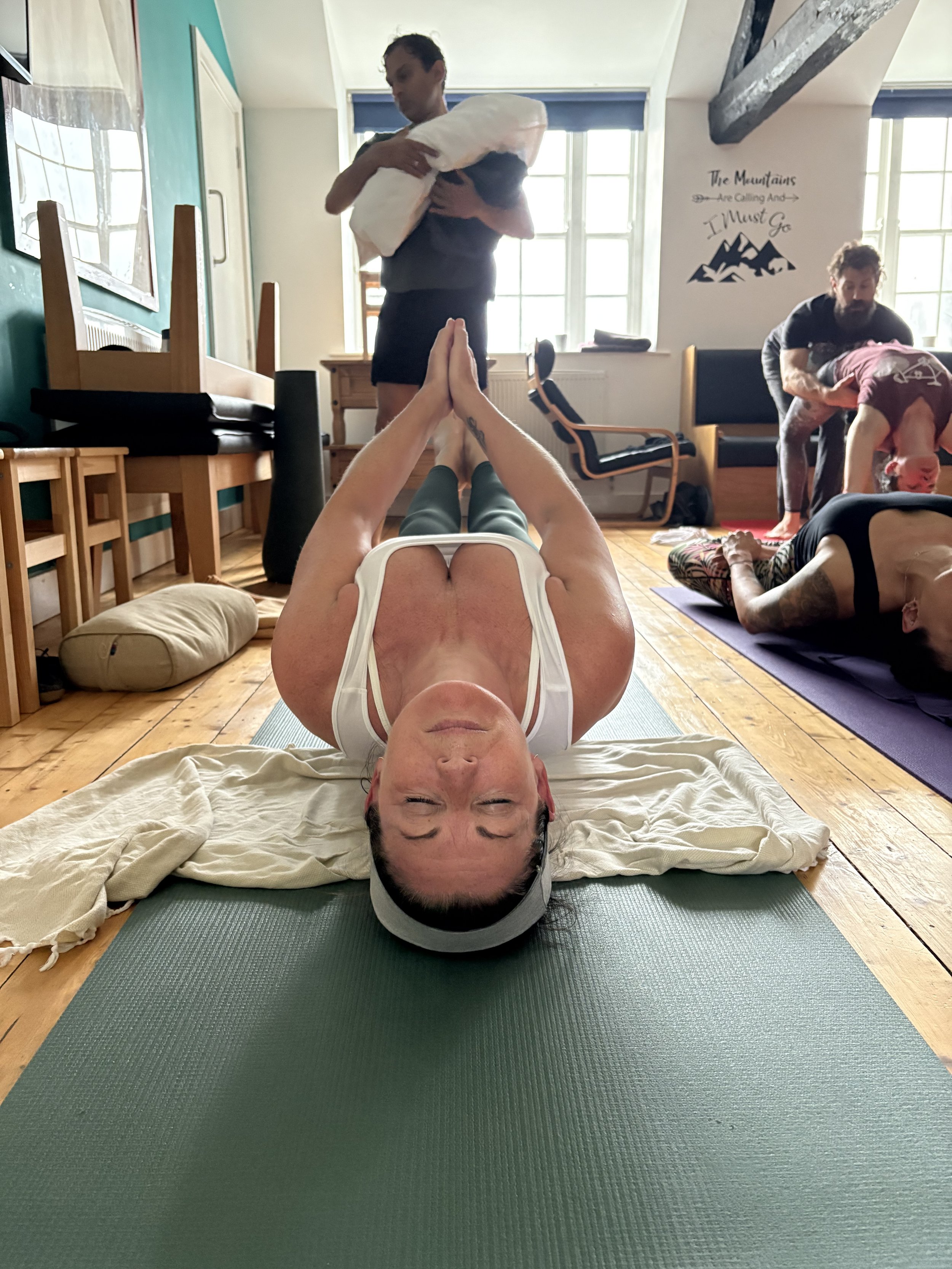
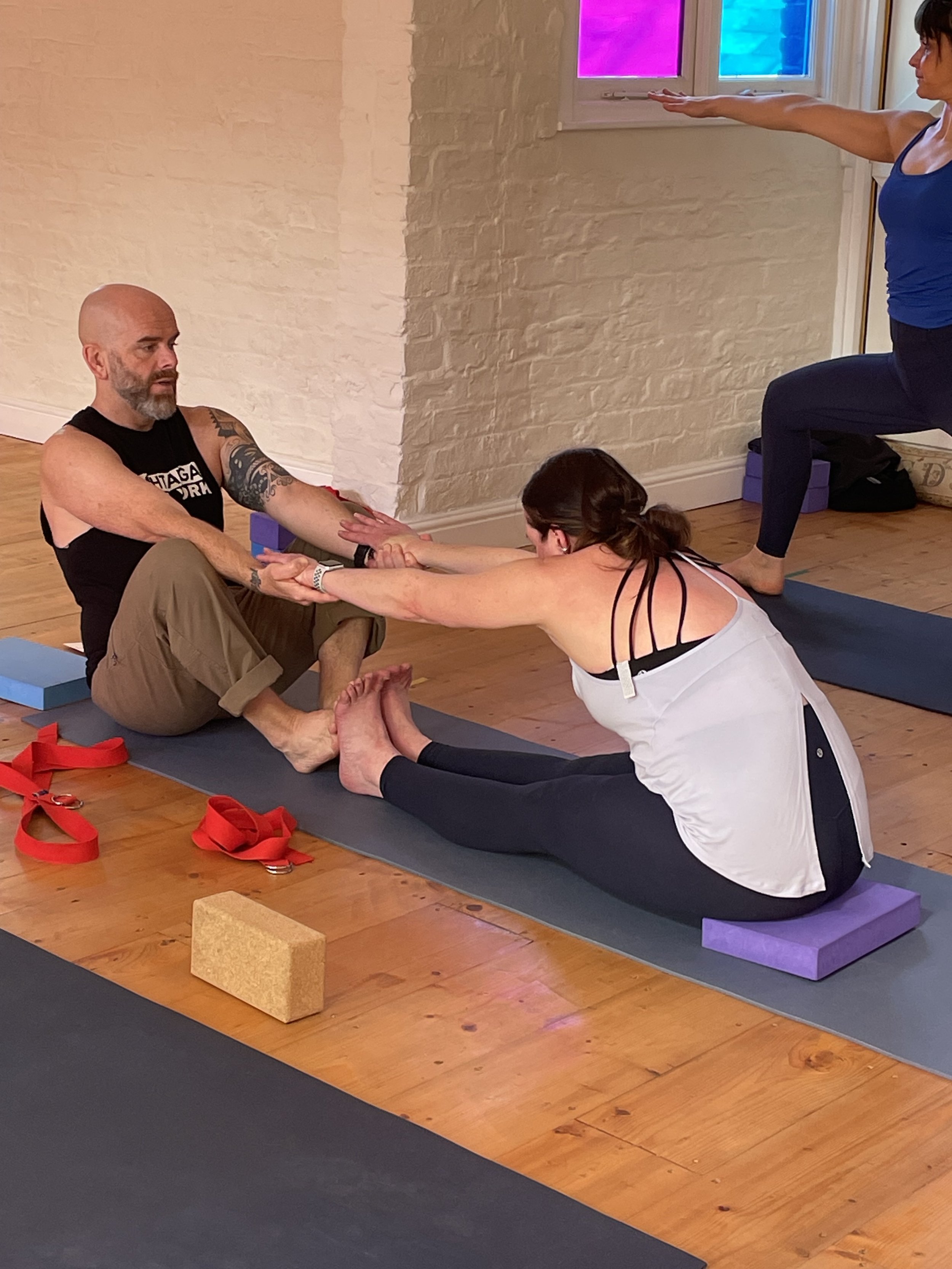
The teacher moves around the room, providing one-to-one tuition within the group environment, offering individual instruction, demonstrations, adjustments and guidance as needed.
New students are introduced to the practice progressively, while more experienced practitioners can work with greater independence. Everyone follows their own practice, sharing a supportive environment with a common focus on learning and development.
-
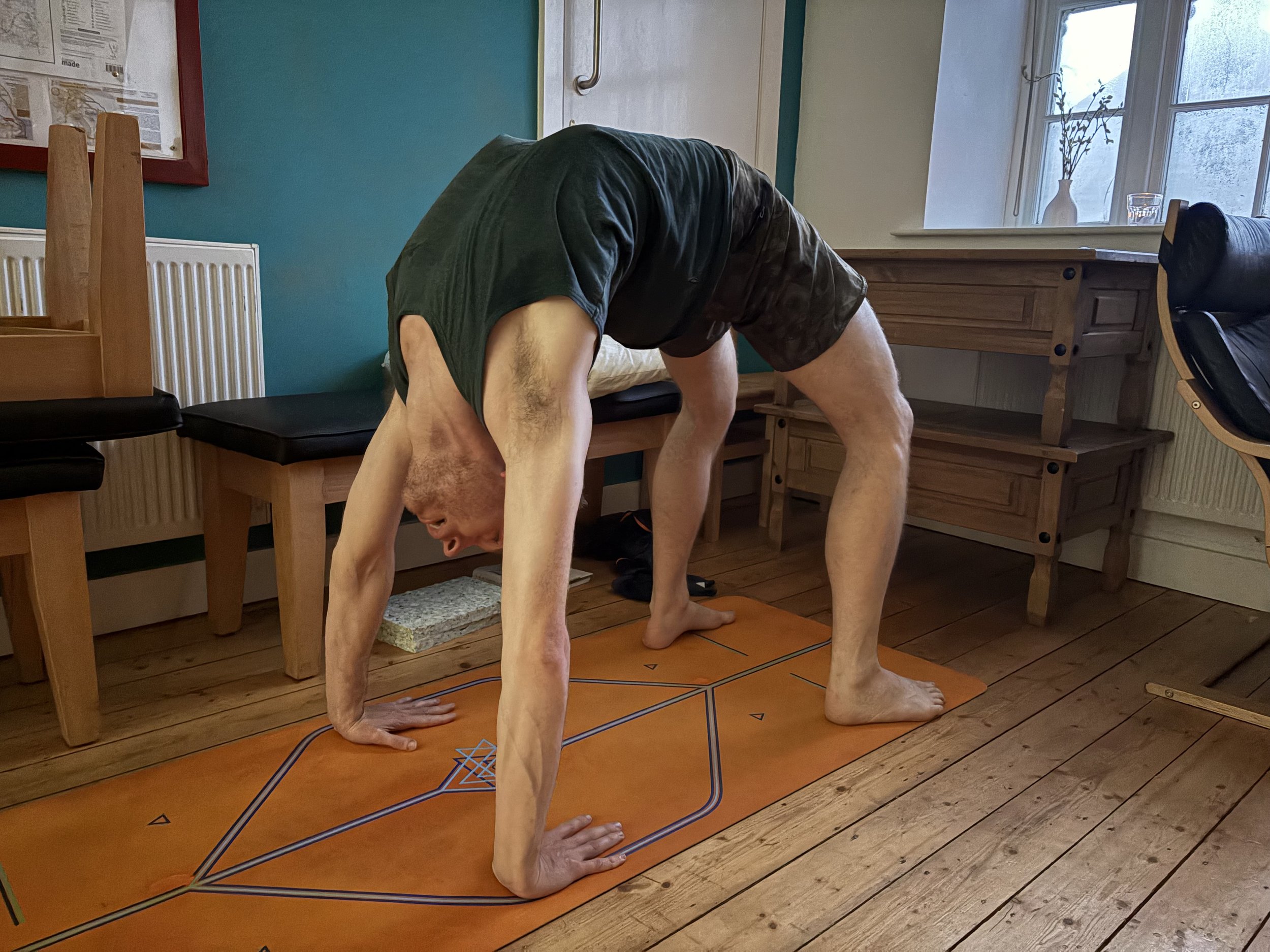
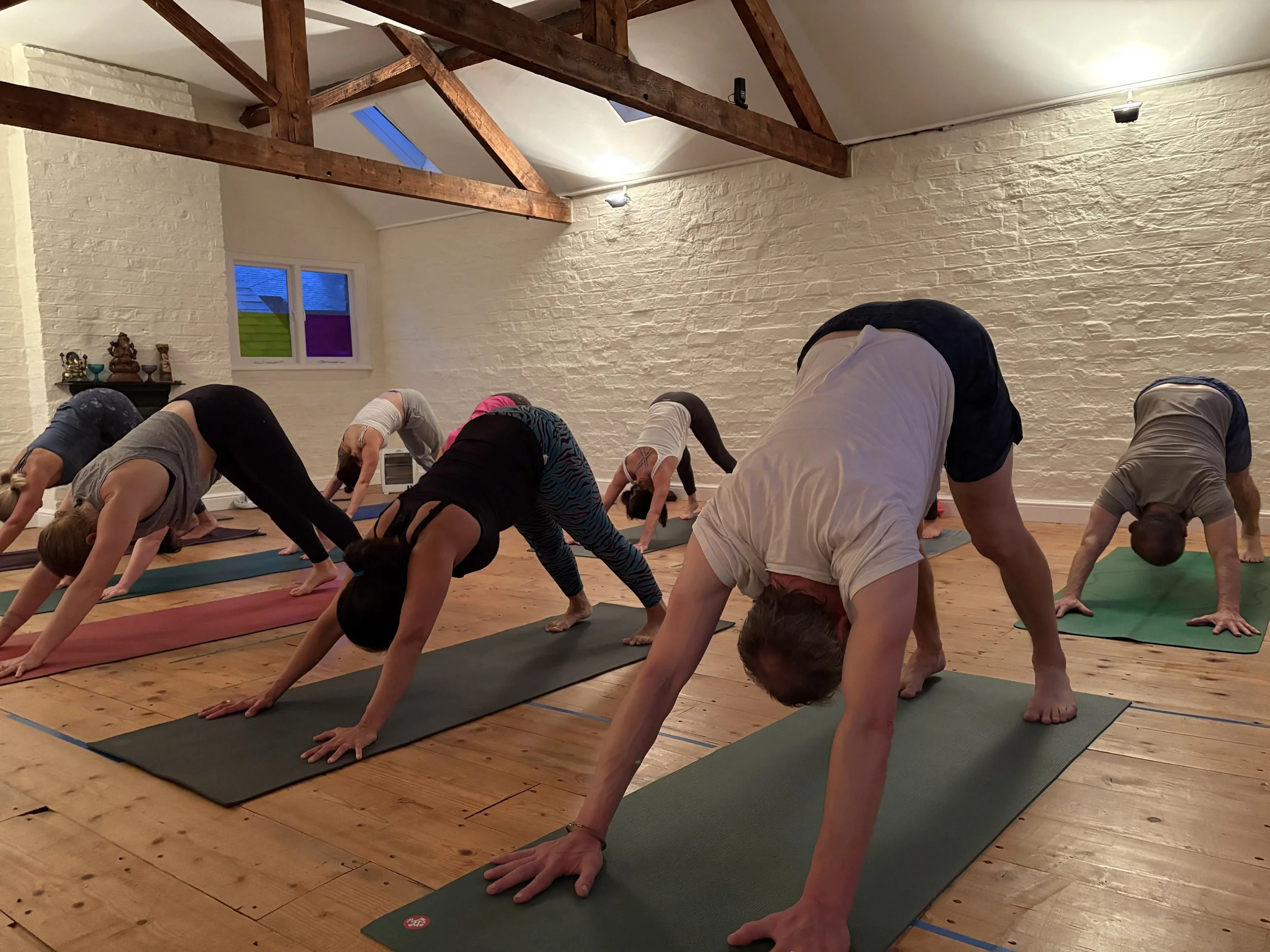
Ashtanga Vinyāsa is a dynamic system of yoga that links breath and movement through a progressive series of postures. The practice follows a structured sequence, combining strength, flexibility, stability and concentration through a steady rhythm of movement and breathing.
Rooted in traditional yoga, it offers a methodical yet adaptable approach to developing physical strength, mobility and mental focus. With consistent practice, the sequences become increasingly familiar, allowing greater attention to breath, movement and awareness.
-
Vinyāsa Krama is a progressive approach to yoga in which postures and movements are thoughtfully arranged and linked through breath. Rather than following a fixed sequence, each practice is carefully structured around a particular focus, movement pattern or intention.
Drawing on the teachings of T. Krishnamacharya, it combines intelligent sequencing, mindful movement and breath to develop strength, mobility, stability and awareness. Practices can be adapted to individual needs and abilities, making it a versatile approach to exploring and developing yoga.
-
Choosing the right class depends on your experience, interests and what you'd like to get from your practice. Whether you're completely new to yoga or have practised for years, there's room to explore and develop.
Guided Self-Practice: Ideal if you'd like to develop a consistent, individual practice with one-to-one guidance in a shared environment. Suitable for beginners and experienced practitioners.
Ashtanga Vinyāsa: A more structured, dynamic practice following traditional sequences, linking breath and movement to develop strength, mobility and concentration.
Vinyāsa Krama: A thoughtfully sequenced approach with a different focus or theme each session, offering variety and opportunities to explore movement in greater depth.
You don't need to be particularly flexible, strong or experienced to begin. The most important thing is finding a practice that interests you and suits your needs. If you're unsure, get in touch and we'll help you find a good place to start.
-
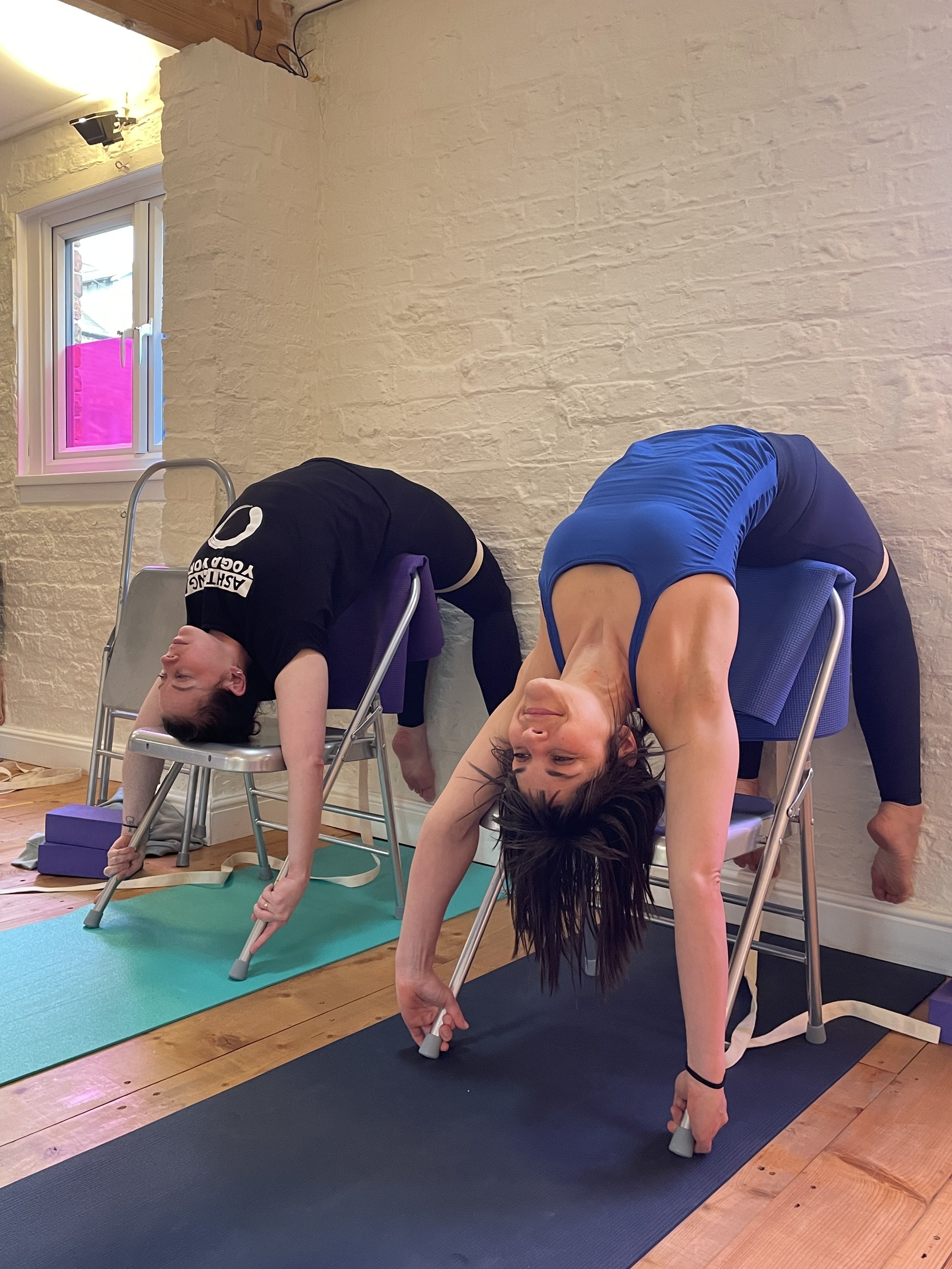
At JDY, Ashtanga Vinyāsa provides the foundation, but our approach goes beyond following a fixed system or sequence. We draw on the precision and alignment principles of Iyengar Yoga, functional movement, strength training and traditional yoga practices to develop a more intelligent and adaptable approach to movement.
Classes balance structure with individual needs, combining dynamic practice, thoughtful sequencing, appropriate strength work and mindful breathing. Rather than simply working towards more demanding postures, the emphasis is on understanding how and why we move, developing strength and mobility, and building a sustainable practice.
The aim is to make yoga both challenging and accessible, encouraging curiosity, independence and a deeper understanding of your own practice.
-
JDY doesn’t follow a single philosophical school or prescribe a particular belief system. Our approach is informed by traditional yoga philosophy, Zen Buddhism and wider contemplative traditions, including Vedanta and Kashmir Shaivism.
Zen has a particularly strong influence on our teaching, emphasising direct experience, mindfulness, simplicity and the cultivation of awareness through practice.
We see yoga as more than a physical discipline. Asana, breathwork, meditation and mindful movement provide opportunities to explore the relationship between body and mind, effort and ease, and ultimately develop a deeper understanding of ourselves.
Rather than imposing a particular philosophy, we encourage curiosity, independent enquiry and learning through direct experience.