Breath. Movement. Discipline. Flow
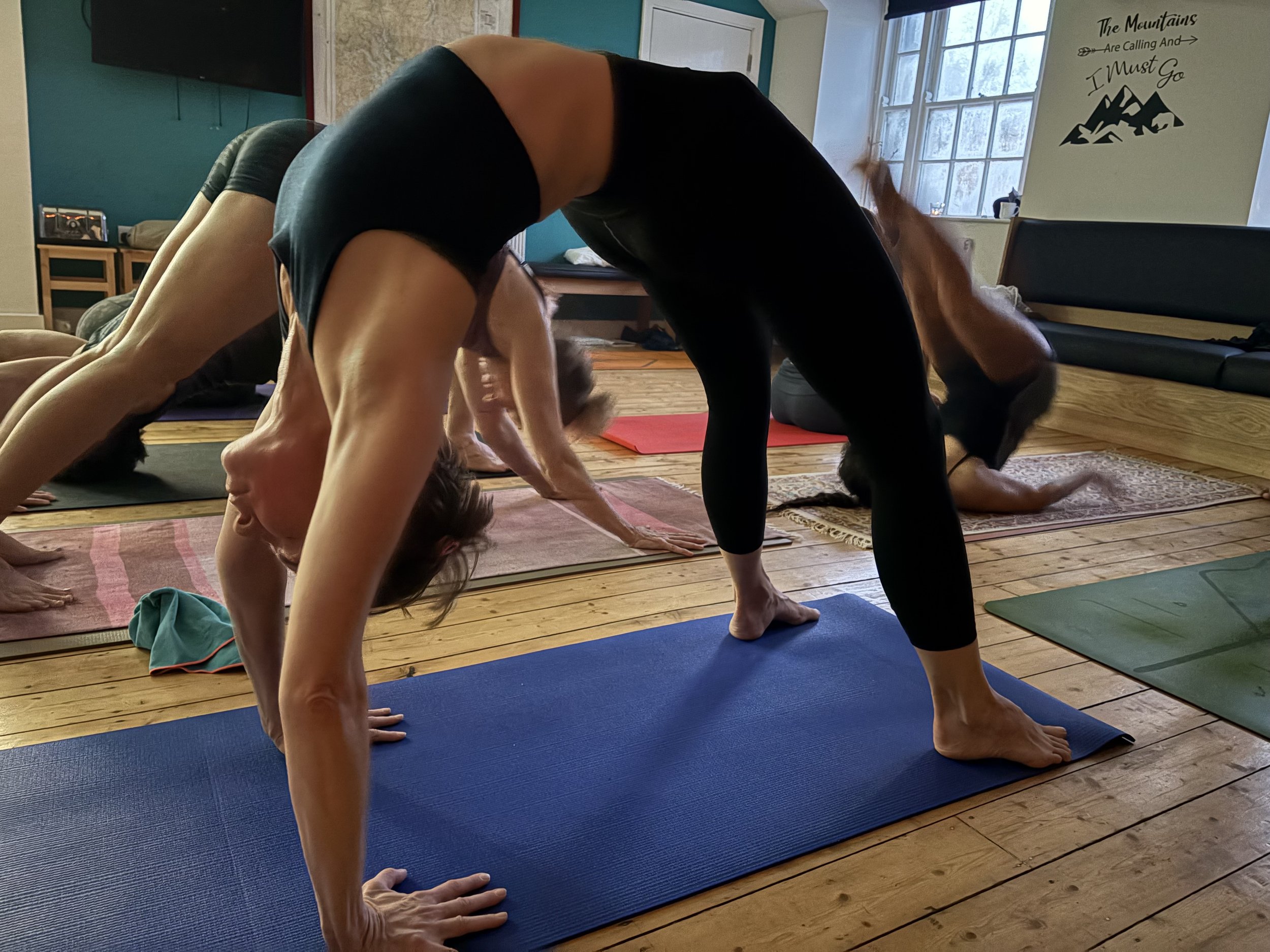
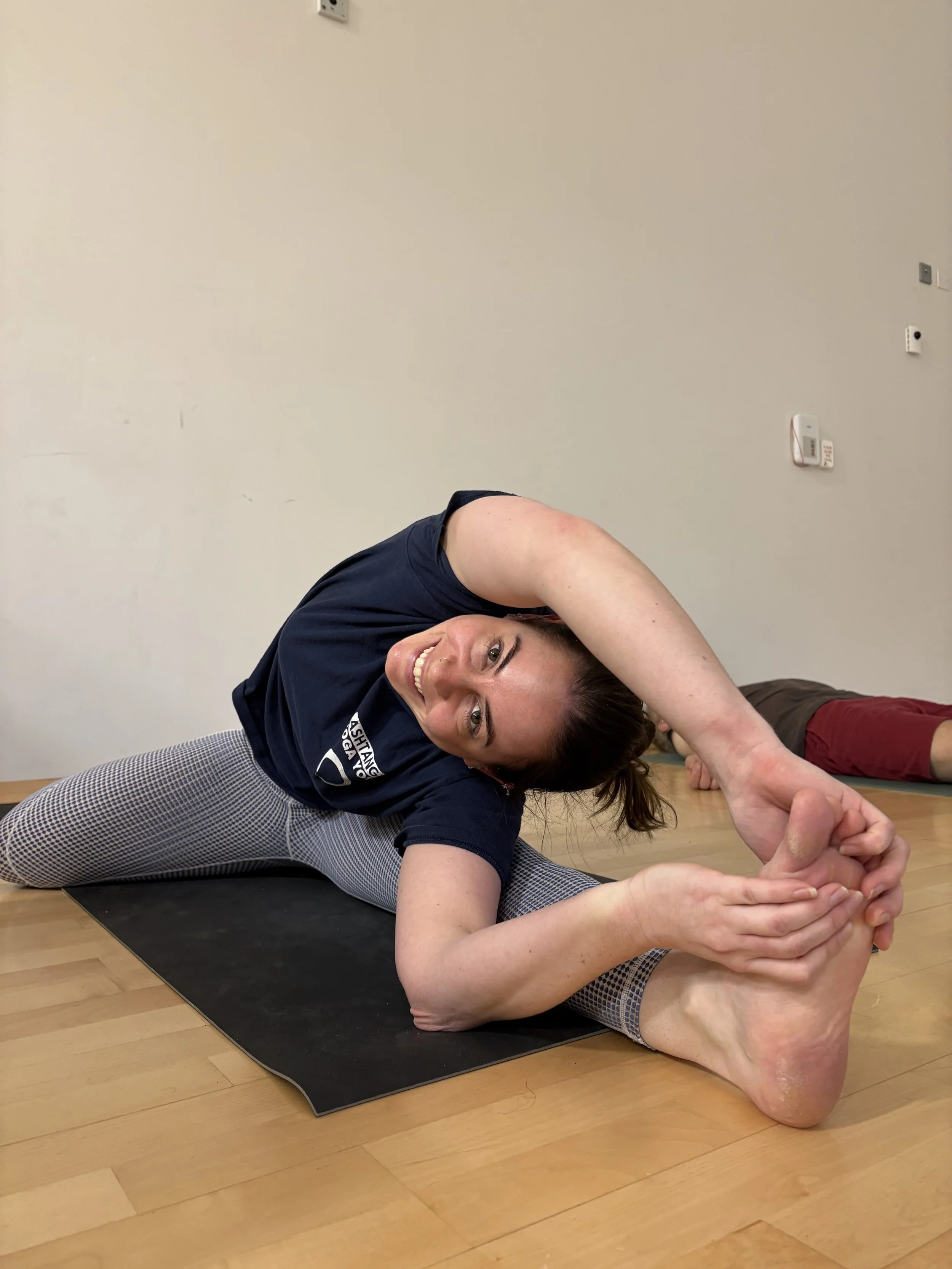
Driven by curiosity and rooted in tradition, our practice blends breath, movement and mindful discipline to create a space for exploration, growth and transformation. We trust the process, allowing ourselves to move into flow rather than resist it.
Mysore Style - Guided Self Practice
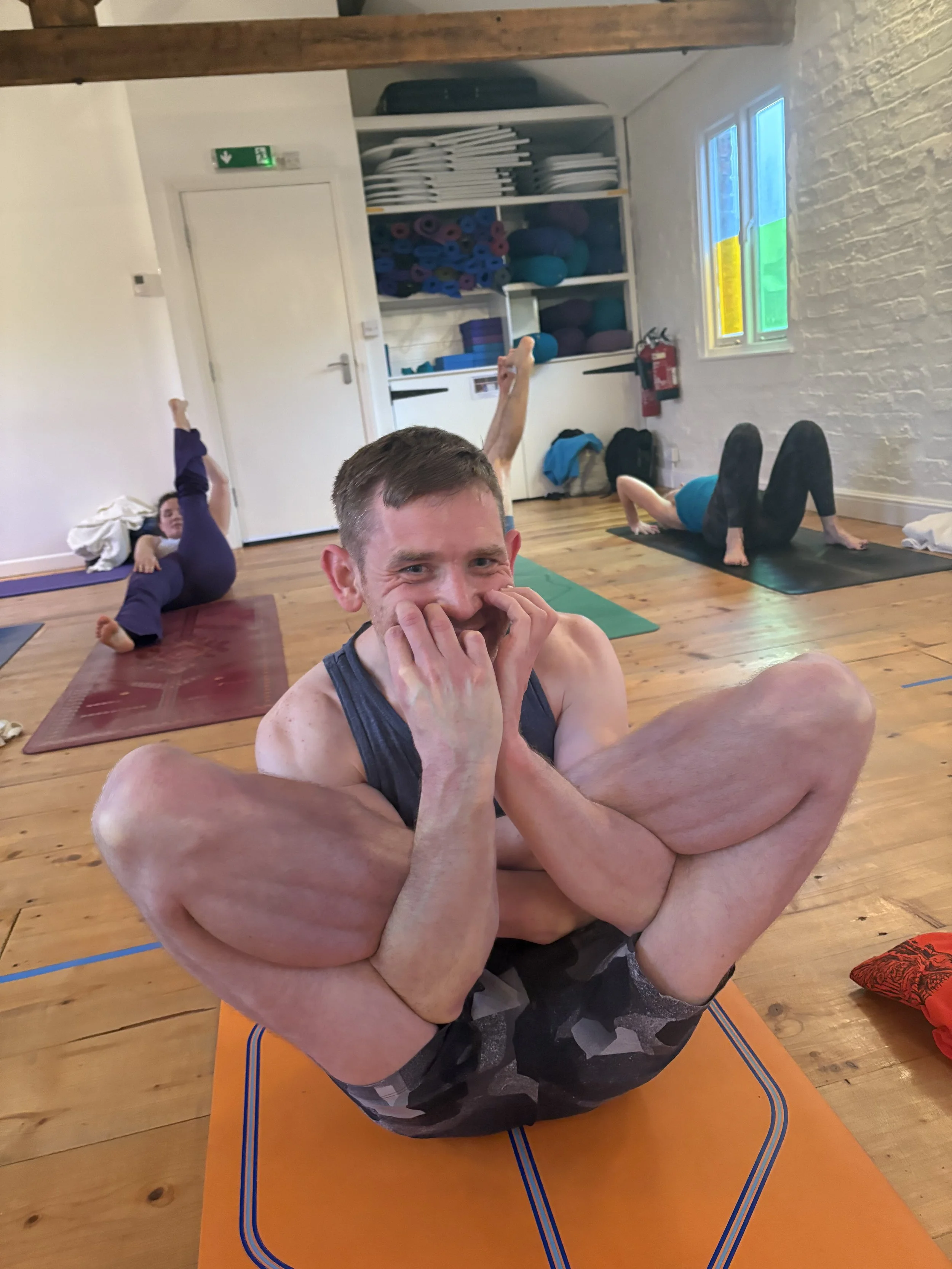
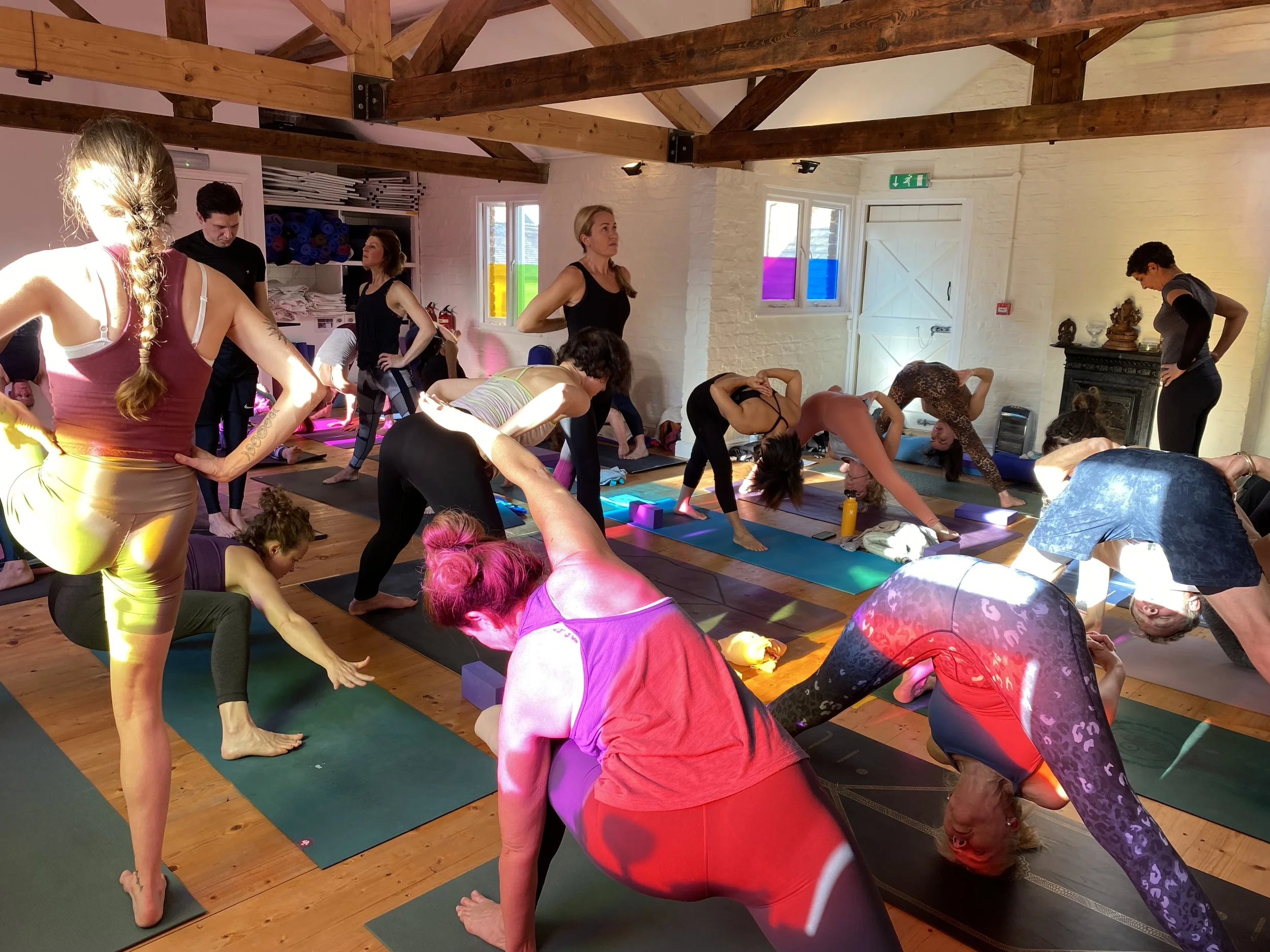
Mysore Style is a unique method of teaching that originated within the tradition of Ashtanga Vinyāsa Yoga. Rather than following a led group class, students develop their practice progressively through individual instruction within a shared practice space. Each practitioner works at their own pace under the guidance of an experienced teacher, receiving personalised instruction, hands-on assistance where appropriate, and ongoing support. This method cultivates independence, self-awareness, and a deeper understanding of the relationship between breath, movement, posture, and attention. While rooted in a defined tradition, Mysore is not simply about memorising a sequence; it is a living method of learning that encourages careful observation, intelligent adaptation, and a practice that evolves over time.
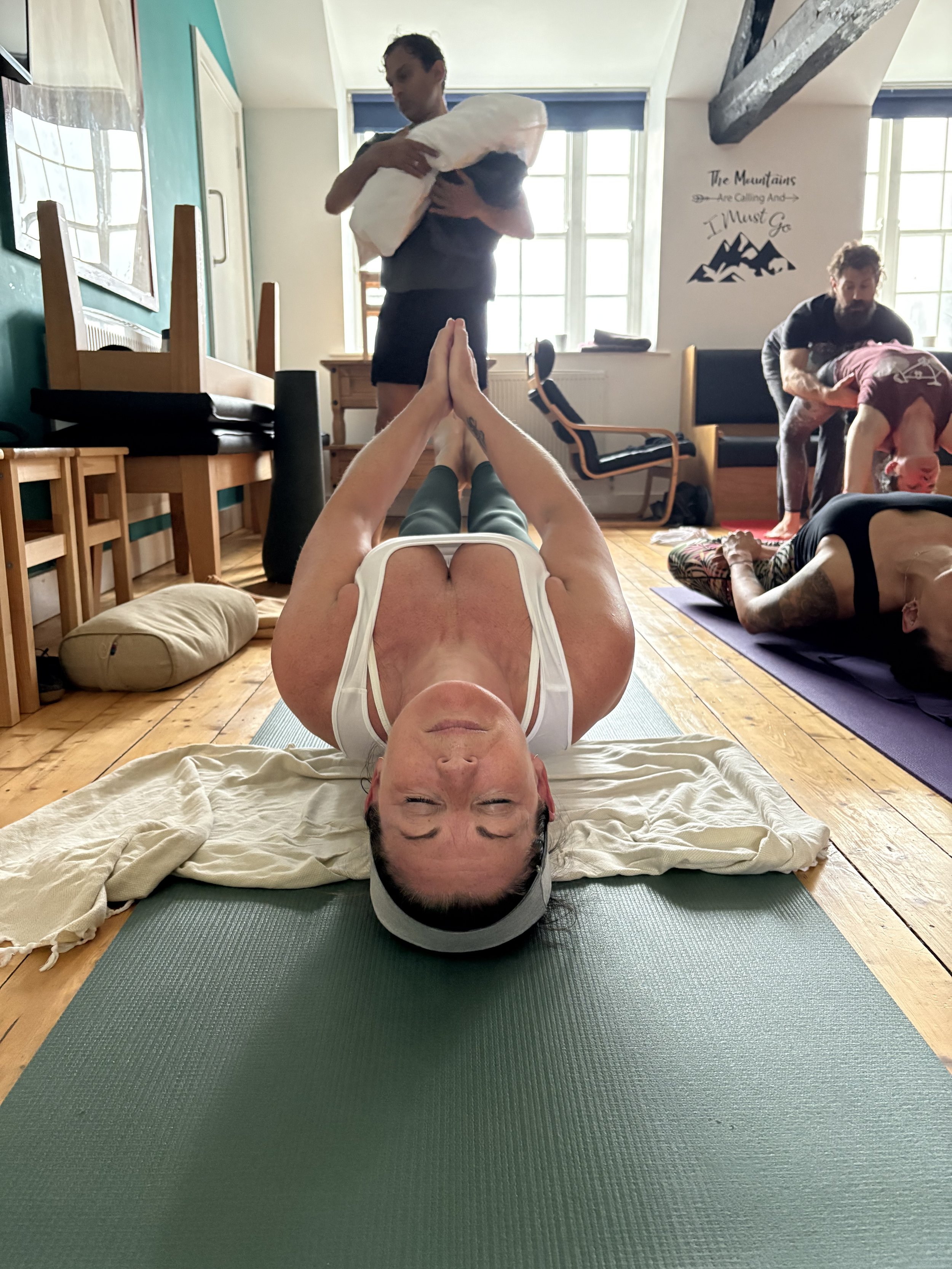
Our approach honours the Ashtanga roots of the Mysore method while embracing the understanding that skilful teaching should respond to the individual rather than ask the individual to conform to the practice. We work primarily with the Ashtanga Vinyāsa tradition, but draw upon the precision and therapeutic insights of Iyengar Yoga, making extensive and thoughtful use of props, supports, lifts, and hands-on guidance where beneficial. We also integrate the principles of Vinyāsa Krama, recognising that breath-led, progressive sequencing and intelligent adaptation are often the most effective way to help students develop strength, mobility, resilience, and ease. Students may therefore work with the traditional Ashtanga sequence, a modified or therapeutic programme, or a creatively adapted Vinyāsa Krama practice, according to their experience, aspirations, and individual circumstances. The result is a Mysore room that remains faithful to the essence of the tradition while offering a genuinely personalised, sustainable, and deeply supportive approach to practice.
Ashtanga Vinyāsa & Vinyāsa Krama
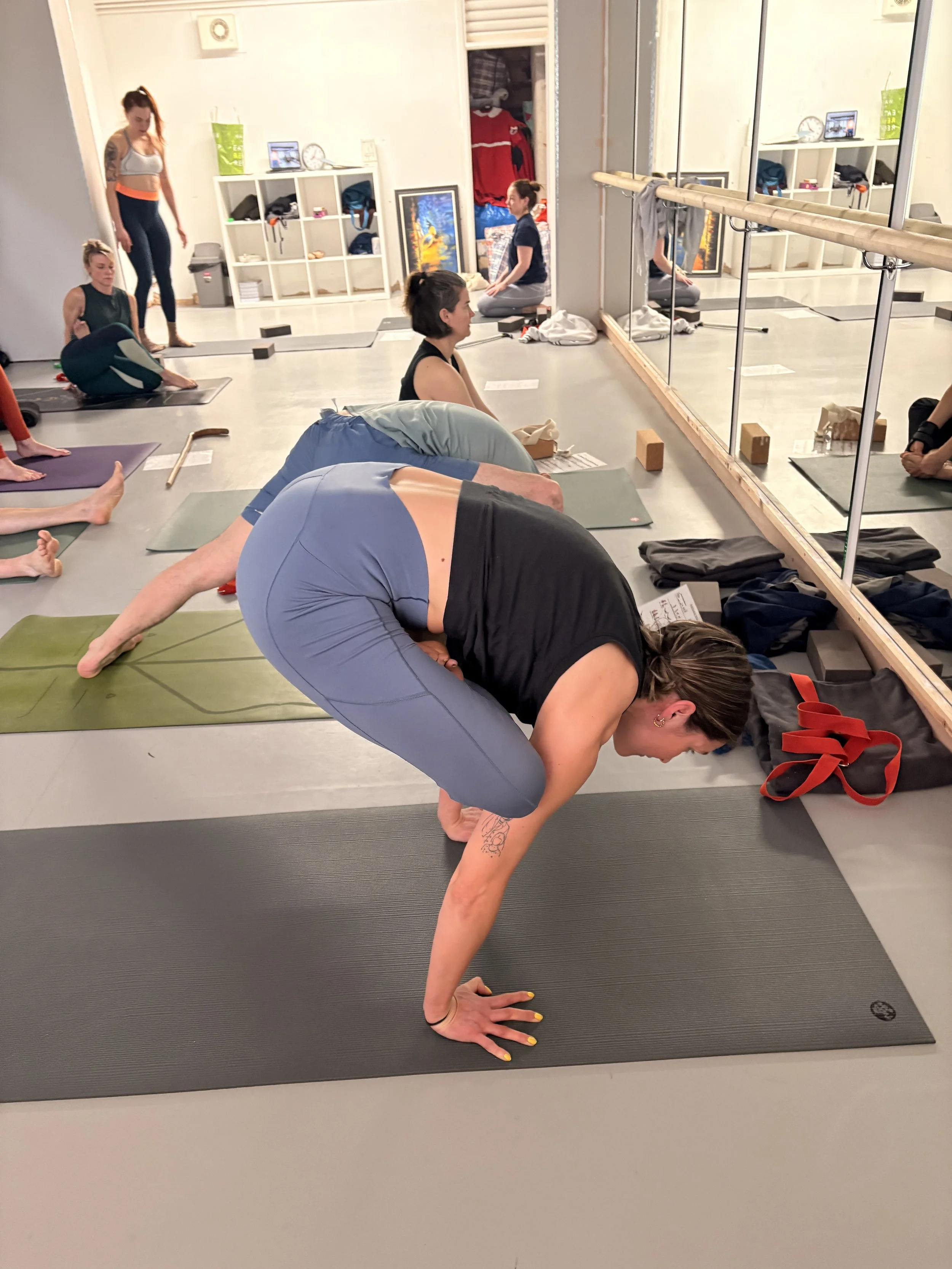
Ashtanga Vinyāsa and Vinyāsa Krama are dynamic approaches to yoga that unite breath and movement through the practice of vinyāsa - the conscious linking of each movement to a steady, attentive breath. In both traditions, the breath provides the rhythm and structure of the practice, transforming physical movement into a moving meditation that develops strength, mobility, stability, and concentration while fostering greater awareness of body, breath, and mind.
Ashtanga Vinyāsa Yoga, practitioners work with a fixed sequence of postures that is learnt progressively under the guidance of a teacher. New postures are introduced only as the foundations become established, allowing students to develop consistency, resilience, and a deep understanding of each aspect of the practice. The repetition of the sequence is not simply routine; it provides a stable framework through which subtle refinements in breath, movement, alignment, attention, and energetic awareness can unfold over time.
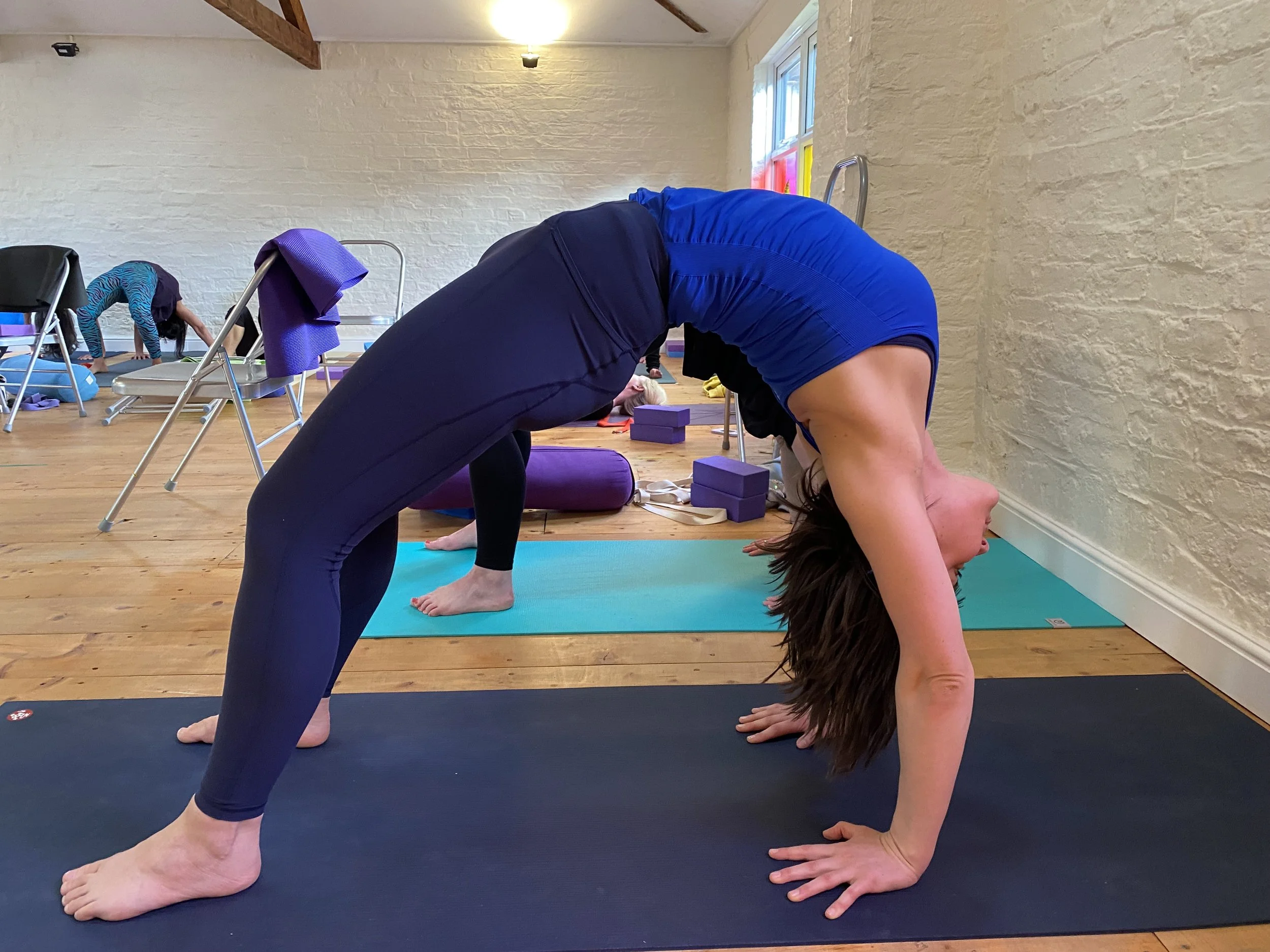
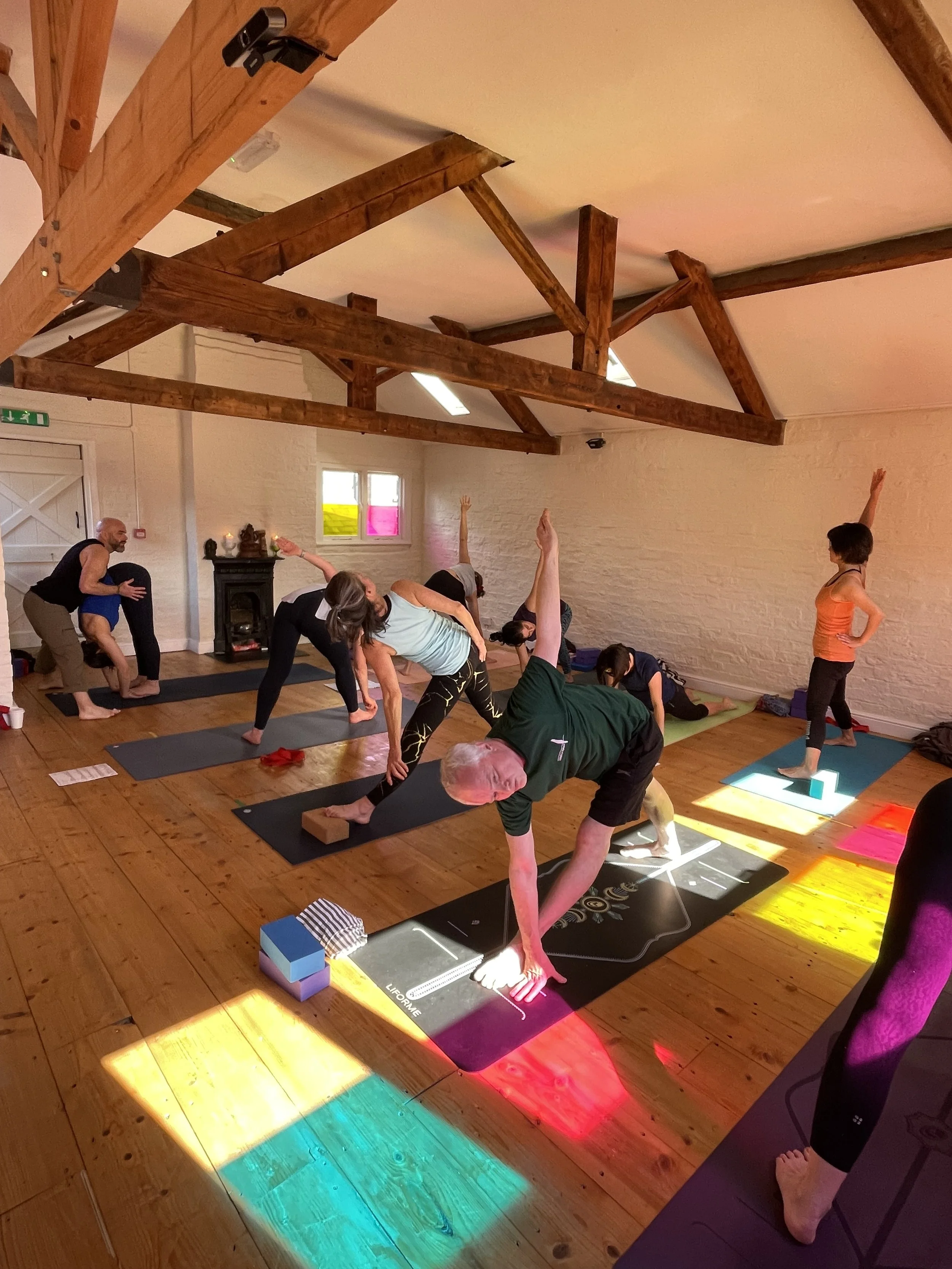
Vinyāsa Krama shares the same principles of breath-led movement and intelligent progression, but offers greater freedom in how a practice is constructed. Rather than following a single fixed sequence, each practice is carefully designed around a particular intention or theme. A class may progressively prepare the body for a family of postures such as backbends, forward bends, twists, arm balances, or inversions, or gradually build towards a specific peak posture before unwinding with an appropriate counter-sequence. Every stage of the practice has a purpose, with each posture preparing for the next in a logical and accessible progression. This allows the practice to be adapted creatively to suit the needs, abilities, and aspirations of individual practitioners while remaining rooted in the principles of breath, mindful movement, and intelligent sequencing.

Haṭha Yoga
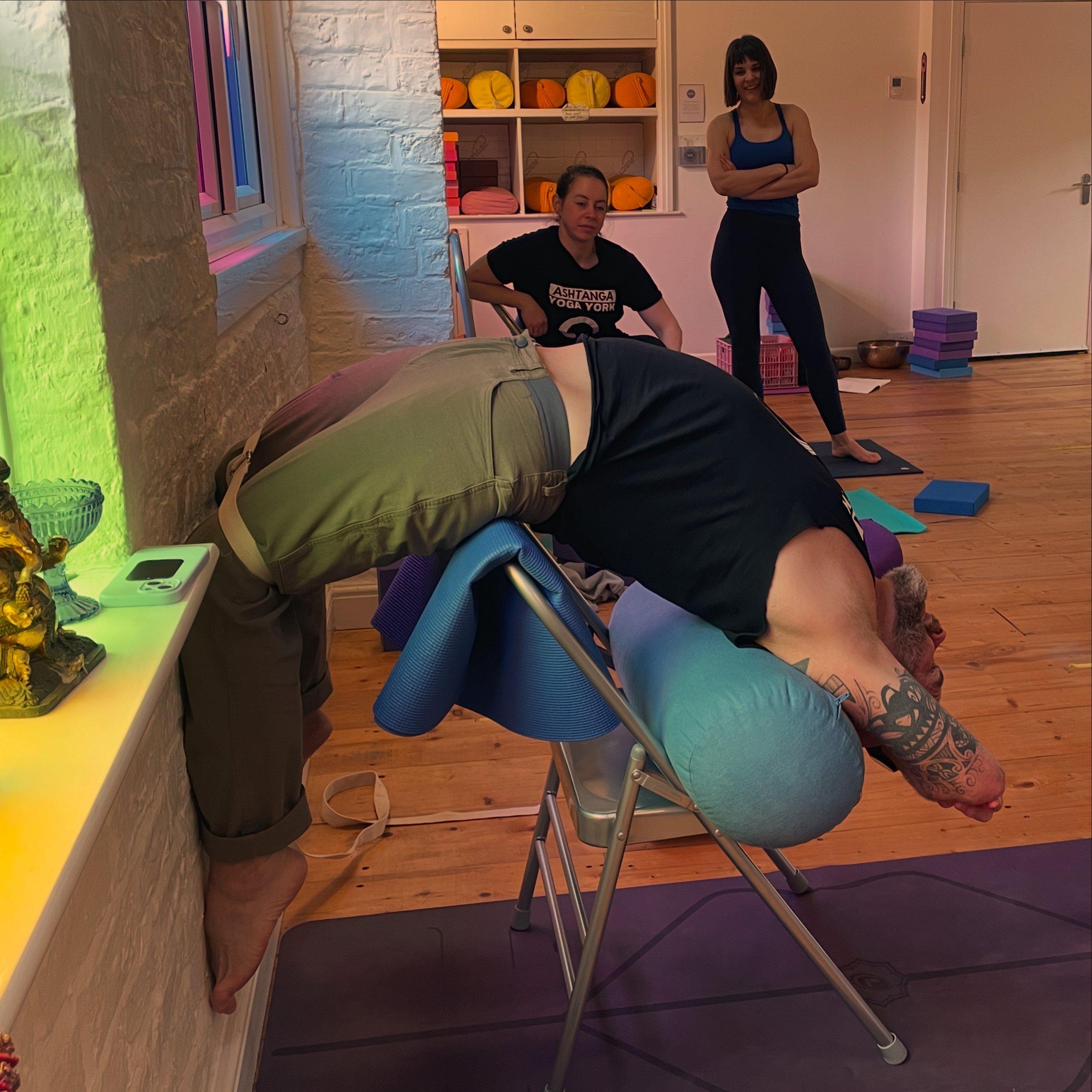
Our Iyengar-inspired Haṭha Yoga is a methodical and alignment-focused approach to yoga that emphasises precision, stability, and awareness in every posture. Developed by B. K. S. Iyengar, this style encourages students to explore poses with attention to detail, using clear instructions and, when appropriate, props such as blocks, belts, bolsters, and chairs. These tools help make postures more accessible while allowing practitioners to experience their intended actions safely and effectively. Rather than moving quickly from one pose to another, students are often encouraged to remain in postures for longer periods, developing strength, flexibility, balance, and concentration.
The practice cultivates a deep understanding of how the body, breath, and mind work together. Through careful alignment and sustained observation, practitioners learn to refine their movements, improve posture, and develop greater sensitivity to physical and mental patterns. Classes are generally slower paced than dynamic vinyasa-style yoga, allowing more time to learn the foundations of each posture and explore them with care. This makes Iyengar-inspired Hatha Yoga particularly suitable for beginners, while also offering experienced practitioners the opportunity to deepen their understanding of alignment, breath, and mindful practice. The result is a practice that is both physically transformative and deeply meditative, fostering clarity, resilience, and a heightened sense of presence in everyday life.
-
Mysore Style - Guided Self Practice
Mondays;
06:00-08:00am GMT
Wednesdays;
06:00-08:00am GMT
Although rooted in the Ashtanga Yoga tradition, the Mysore format is an intelligent and adaptable way of teaching. Depending on the individual, practice may follow the traditional Ashtanga sequences, a progressive Vinyāsa Krama approach, or a therapeutic Haṭha Yoga practice incorporating precise alignment, breath awareness, and the skilful use of props. Postures may be modified, substituted, or developed progressively according to each student’s needs, experience, and physical capacity.
-
Vinyāsa Krama
Fridays;
10:45am-12:00pm GMT
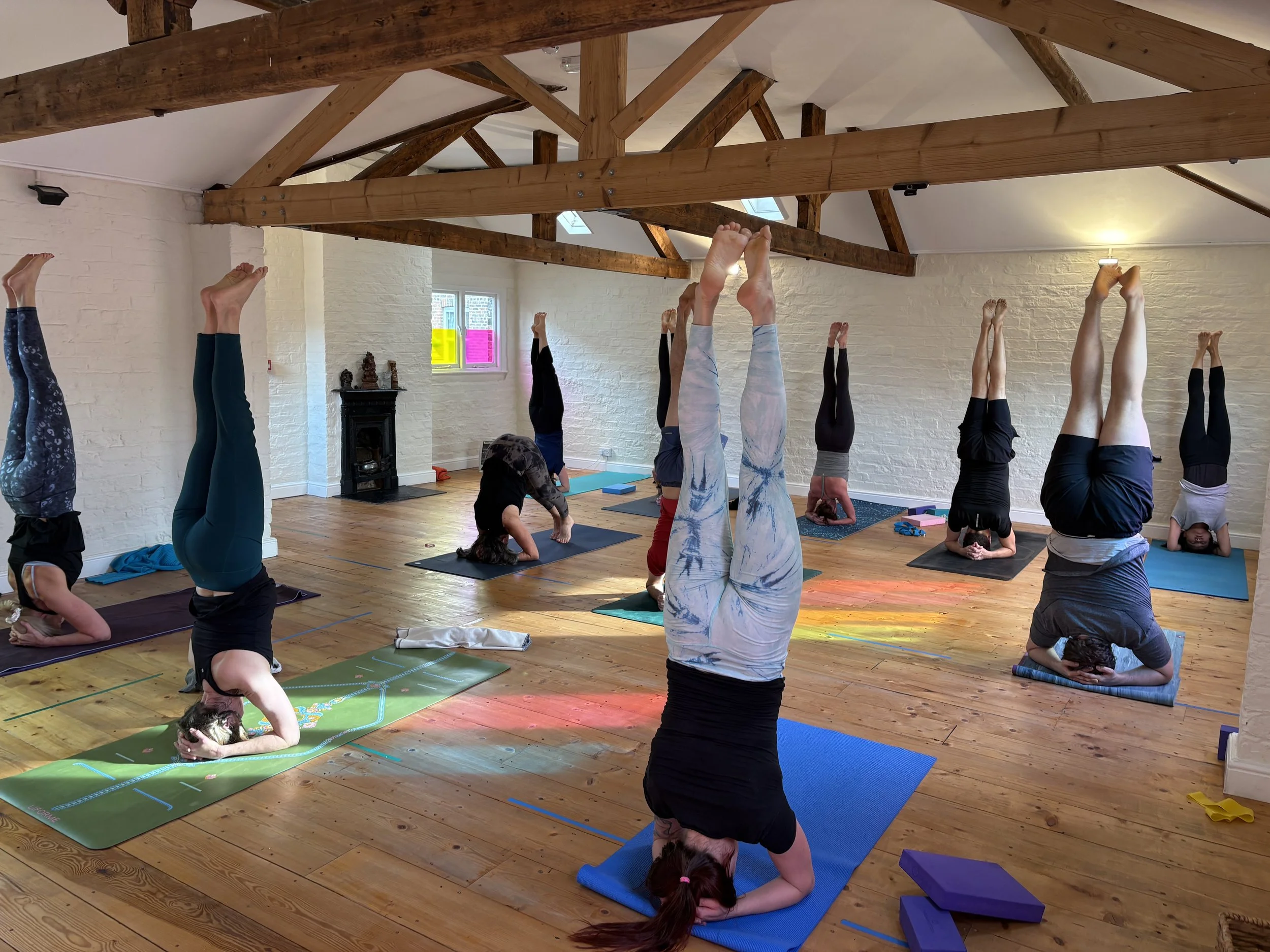
A dynamic 75-minute led class fusing traditional Ashtanga Vinyasa with the precise alignment of Iyengar-influenced Vinyasa. Rooted in traditional methodology, this practice combines breath, movement, drishti, and focused attention through intelligently sequenced postures.Inspired by the early teachings of Krishnamacharya - the father of modern yoga, and foundational Hatha yoga methods, expect a strong, fast-paced, breath-driven experience.
-
Haṭha Yoga
Tuesday’s;
6:00-7:15pm GMT
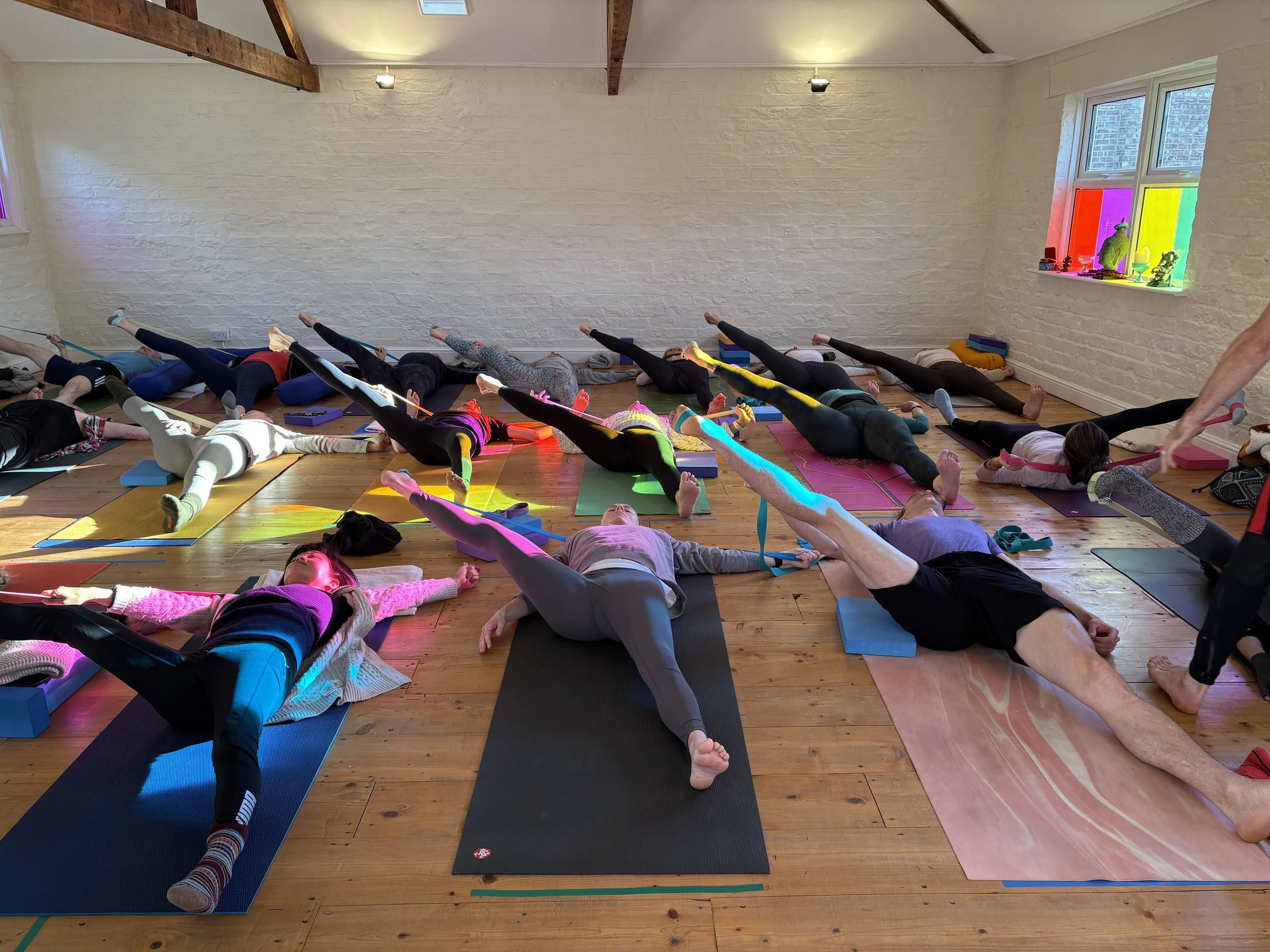
This Iyengar-inspired Haṭha Yoga class emphasises alignment, precision, and deep investigation within the practice of āsana and breath. Using a wide range of props, including blocks, belts, bolsters, chairs, and wall support, postures are explored progressively and accessibly, allowing students to develop greater stability, sensitivity, and understanding.